Handyman assessing an interior repair before work

East London · Handyman Express

Handyman Limehouse

Limehouse repairs can involve older homes, converted buildings and managed apartments, so the practical plan should come from the exact item, wall and access conditions.

  • Repairs prepared for homes and managed developments
  • Mounting and assembly scoped before attendance
  • Approved London labour guidance without a local surcharge

Share the postcode, photographs, access details and the complete task list.

Local insight · Limehouse

Useful Limehouse access and repair notes

E14 · quick property guidance

Describing the full entrance route

State the entrance, floor, lift or stairs and the nearest practical loading point. For long products, measure turns and internal doors as well as the final room. That information helps furniture fitting start with a realistic route instead of discovering after unpacking that a panel cannot reach the final space.

Grouping work without hiding priorities

A mixed list can share one visit, but the order still matters. Put water faults, insecure fittings and failed doors first, then add optional finishing tasks. Provide a photograph for each numbered item. This lets a multi-job appointment protect the main purpose of the booking if one repair proves more involved.

Limehouse property notes

Limehouse properties require evidence rather than a standard fixing

Limehouse includes terraces, converted industrial buildings, purpose-built flats and modern developments. Their interiors can combine masonry, older plaster, timber and dry lining. A wall’s appearance does not reveal reliable fixing points. Shelves, mirrors, cabinets and screens must be considered with the actual background, load and intended use.

Typical handyman work includes door or cupboard adjustment, loose hardware, local patching, resealing, furniture assembly and wall mounting. Send wide and close photographs, dimensions and product instructions. Explain the desired result and any previous repair. This supports preparation and helps route specialist or regulated work correctly.

State the entrance, floor, stairs or lift, parking or loading and any building requirements. Newer developments may require notice or contractor details, while converted properties may have tight routes. Handyman Express does not claim a Limehouse office or automatic access; the visit depends on the actual address and schedule.

If a concierge or security team controls entry, identify the authorised contact and sign-in process. Confirm whether bulky items are already in the final room. Explain packaging and waste arrangements. A clear route protects shared finishes and prevents a furniture booking from becoming an unplanned moving task.

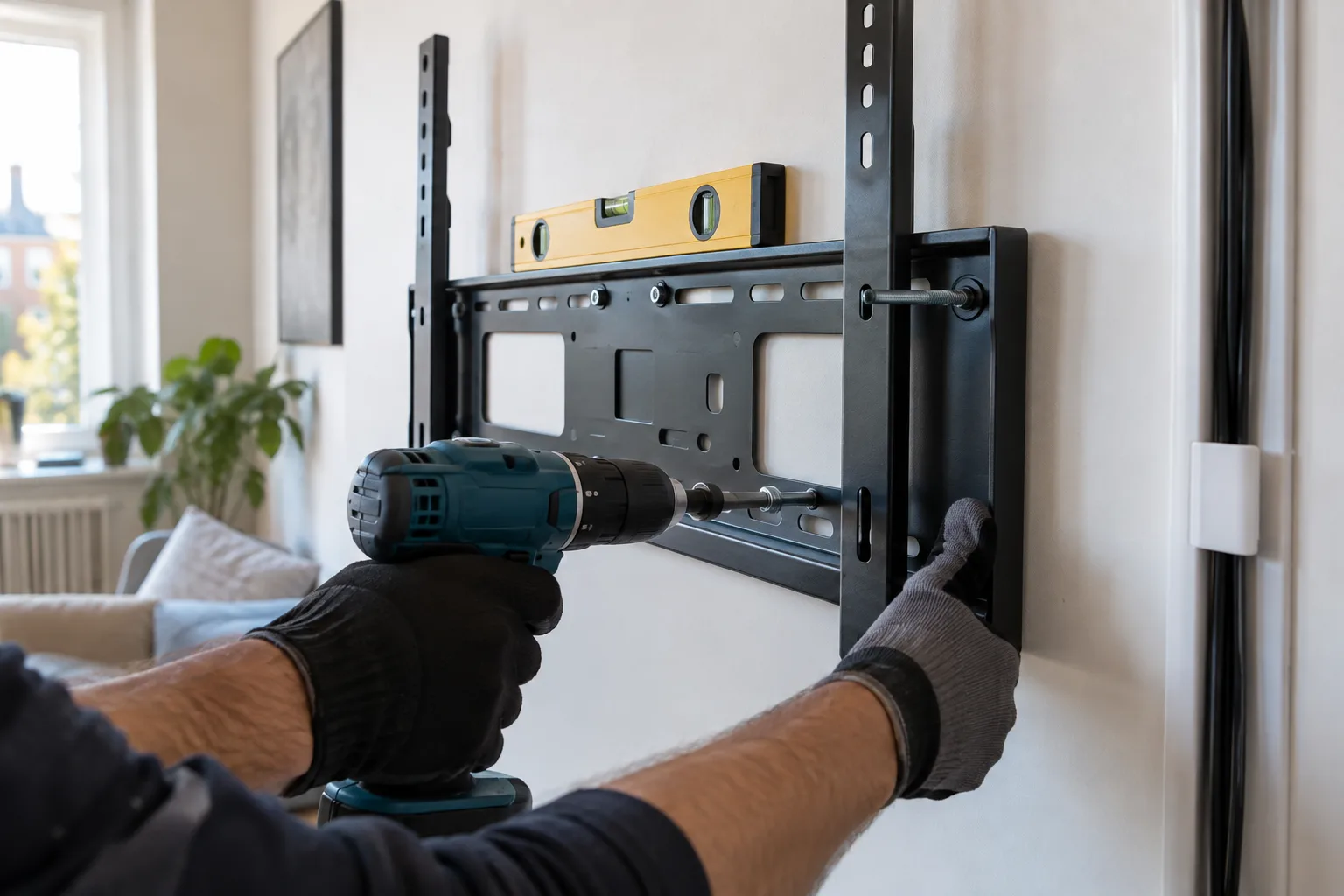
Measurements taken for a secure wall-mounted screen

Limehouse property notes

Organise compatible jobs while keeping specialist issues visible

Number the list and put essential repairs first. Describe the exact door, fitting or room, and match photographs to each line. For supplied products, include model, size and package count. This supports a sensible work sequence and shows which optional tasks can follow if time remains.

Several adjustments and fittings may be compatible. Gas work, regulated electrical alteration and structural intervention require qualified specialists. Leaks or appliance faults may need dedicated diagnosis and parts. Clear categories prevent a general handyman visit being marketed as a universal solution.

Name the person authorised to approve a different location, material or cost. A tenant or concierge may not have that authority. Clear fragile items and enough working space. If the wall or product differs from the information supplied, explain the finding and obtain approval before work expands.

In an occupied property, explain which kitchen, bathroom, exit or work area must remain available. This helps order the tasks and protection without suggesting all disruption can be removed. Pets and children should remain outside the immediate work zone while tools and unpacked panels are present.

Limehouse property notes

A finished item needs support, clearance and normal operation

Before drilling, consider surface condition, load, alignment, clearance and likely pipes or cables. Tile, decorative plaster, exposed brick, timber and painted lining need different care. If a preferred point cannot support the item, agree an alternative rather than using unsuitable hardware for appearance.

Furniture assembly requires complete parts, instructions and safe floor space. Panels should be checked before tightening; doors and drawers need testing. The finished unit should not obstruct sockets, access panels or routes. Manufacturer restraint guidance should be followed with a fixing appropriate to the real wall.

Making good has practical limits. Fresh filler, paint, sealant or grout may contrast with aged material. Moisture damage should not be covered before the cause is resolved. When a uniform finish matters, wider preparation and decorating may be a better scope than a small local patch.

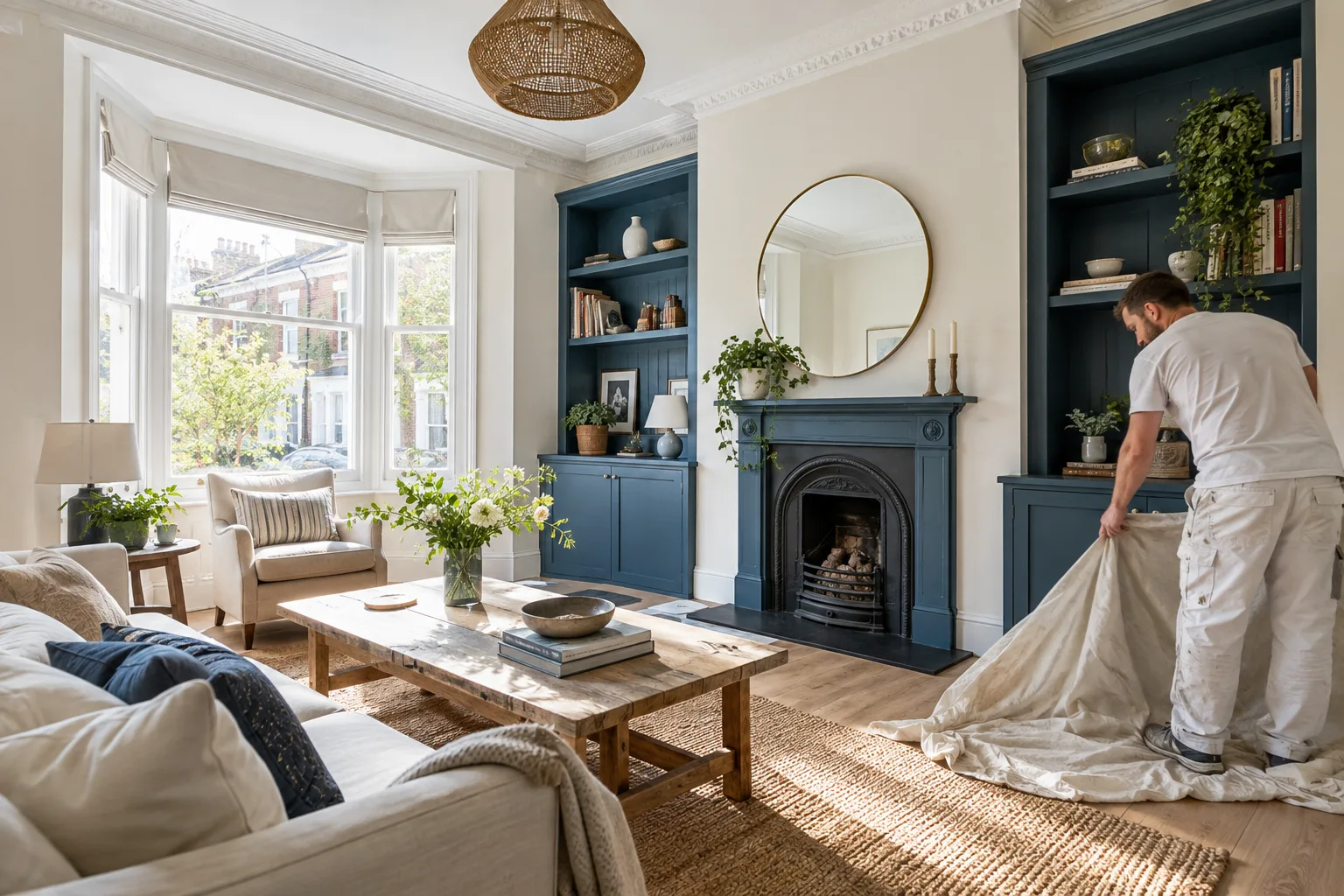
Prepared interior surface finished neatly

Limehouse property notes

Limehouse pricing is linked to scope and access

The approved London labour guide applies without a Limehouse premium. Confirmed cost reflects tasks, time, access and materials. Good photographs and product information improve planning, but concealed damage or intermittent faults may require investigation. A quotation should explain inclusions and approval of changes.

Materials and parts remain separate where needed because anchors, timber, sealants and hardware must match the installation. Customer-supplied items should be complete and compatible. If sourcing or another visit is needed, approve the added time and cost before extending the work.

Longer bookings can suit a prepared list, but building procedures, curing, access and product faults affect output. Labour time is not an unlimited task promise. Prioritise essentials. Confirmed terms prevail, with unavoidable parking or access costs identified openly where relevant.

Limehouse property notes

Document the result for residents and property managers

Send the full Limehouse postcode, contact details, task list and photographs. Add floor, lift, entry, contractor-hour and loading information. Include product dimensions and instructions. Describe intermittent faults and previous work. This supports realistic service selection before attendance.

At completion, test moving and fitted items in ordinary use. Keep spare hardware, instructions and finish references. Record limitations from the existing surface and specialist issues still open. Photographs of agreed positions are useful where an owner or manager was absent.

Approved nearby pages include Poplar, Canary Wharf, Isle of Dogs, Stepney and Mile End. They support geographic navigation and do not represent local offices. Availability remains subject to schedule and scope. Submit the complete list through the page matching the address.

Communicate cure periods, agreed loads and postponed items to residents. If work could not proceed, list the missing component, consent or specialist assessment. Retain product references and label completion photographs so future maintenance starts from accurate information.

If a repair exposes a wider pattern of movement, moisture or deterioration, record only what is visibly observed and recommend suitable further assessment. A handyman visit should not convert an uncertain condition into an unsupported diagnosis. Honest evidence helps the owner appoint the right specialist next.

For rented or managed homes, send the same completion record to the resident and responsible owner or agent. Note which materials were customer supplied and which were selected for the work. This avoids confusion when a replacement product or warranty question is considered later.

Any photograph of concealed conditions should be labelled with the room and exact position. Without that context, a close image becomes difficult to interpret months later and may encourage another unnecessary opening of finished work.

Handyman price guide

Useful London labour guidance

Approved London labour guidance applies in Limehouse. Materials, parts, unavoidable access costs and work beyond the agreed scope are separate.

Handyman price guidance for Limehouse
Handyman workPrice guidanceTypical scope
Guide starting priceFrom £83Final cost depends on the agreed scope, access and materials.
Weekday first 30 minutes£47Working-hours labour guidance.
Each additional weekday 30 minutes£36Applies after the initial period where time-based pricing is agreed.
Weekday half day / full day£260 / £460Four-hour and eight-hour labour guidance for prepared task lists.

Guide prices are not a substitute for the confirmed quotation. Materials, parts and material changes in scope are agreed separately.

Useful answers

Questions about handyman work in Limehouse

These answers cover practical booking points. Share the address and task details for advice about a particular property.

Can you follow Limehouse building-management rules?

Yes, subject to booking. Provide notice, contractor details, permitted hours, lift and authorised-contact requirements in advance.

Do you add a Limehouse postcode premium?

No. Approved London guidance applies, while confirmed price follows actual scope, time, access and materials.

Can apartment repairs share one visit?

Compatible tasks may be grouped. Send the full prioritised list with photographs and product information.

Can you mount items on exposed brick or dry lining?

The item, load and actual wall condition must be assessed. Different backgrounds require different methods.

Can a concierge approve added work?

Only when authorised. Name the decision-maker and clarify approval limits before attendance.

Will a local wall patch disappear completely?

Not always. Age, product and texture can leave a visible difference, so wider decorating may be required.

East London

Send the job list before the visit.

Photographs, the full postcode and access notes help the team give a more useful first response.

020 3746 1760Book online ↗
Call now