Leytonstone property notes
Repairs shaped around established Leytonstone properties
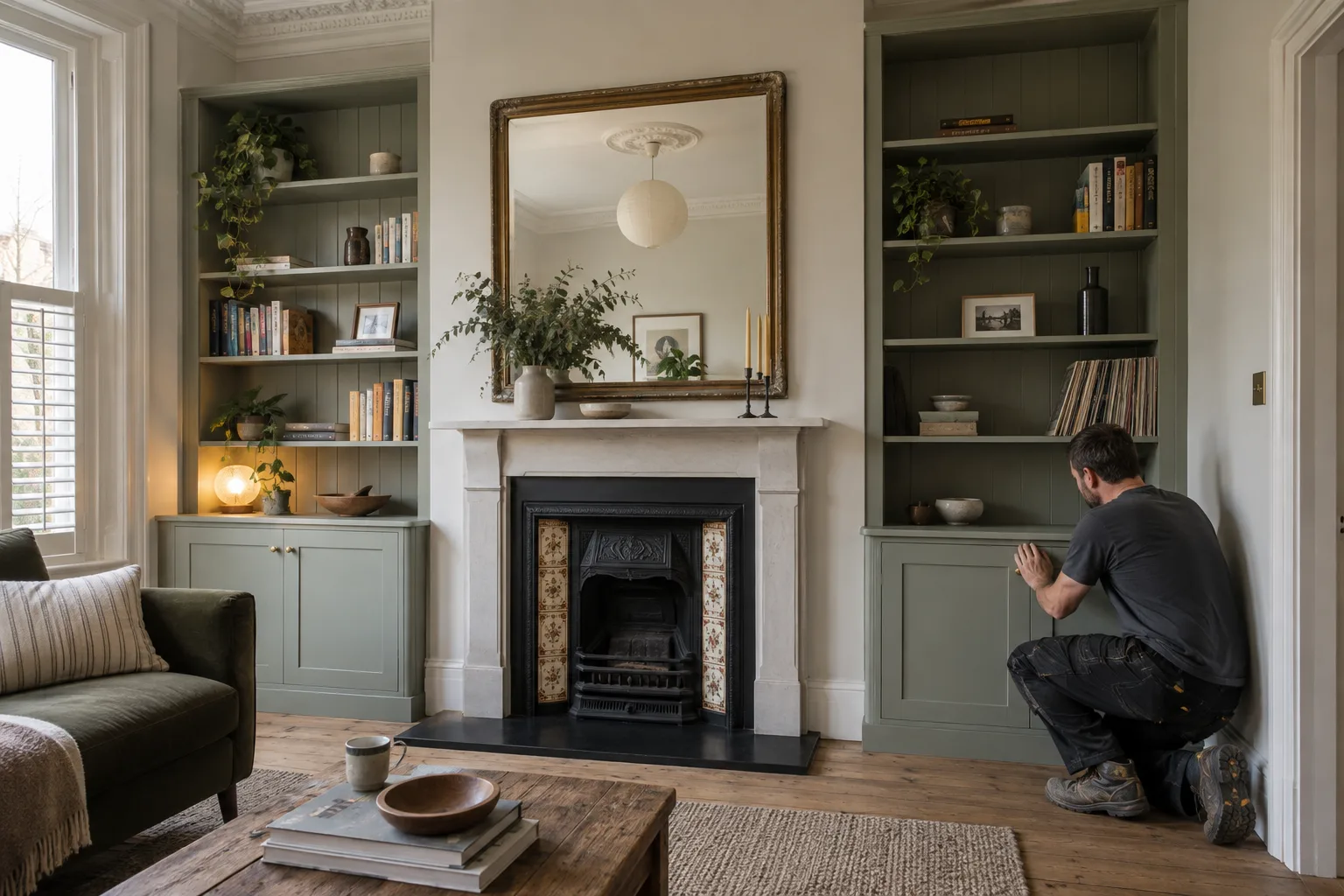
Leytonstone includes period terraces, semi-detached houses, converted properties, purpose-built flats and newer apartments. Interiors may combine solid masonry, old plaster, later partitions and previous patching. A shelf, mirror or cabinet should therefore be planned from the actual wall and intended load, not from a generic assumption about the age of the street. Concealed services and the surrounding finish also influence the safest position.
General handyman work can include door and cupboard adjustments, loose handles, curtain poles, wall mounting, furniture assembly, selected sealant renewal and an agreed snagging list. Send close and wide photographs. Product dimensions, weight and instructions matter, while the wider view shows sockets, radiators, floors and furniture that affect clearance and protection.
Access may involve narrow halls, stairs, controlled parking or communal entrances. Managed blocks can require notice or lift procedures. Explain these conditions before booking and identify who can approve a different position. Handyman Express does not claim a Leytonstone office or guaranteed access; the address, task and schedule determine coverage and timing.
For bulky furniture or long materials, measure the route from the building entrance to the final room. Check stair turns, lift dimensions and internal doors. A product that fits its intended space may still be impossible to carry through an overlooked section of the route. Confirm where packaging can be held and who is responsible for removing it.
Occupied homes need an agreed working zone. Keep children and pets away from tools, move delicate possessions and identify anything that cannot be relocated. If neighbours or a managing agent impose reasonable noise hours, include them in the brief. The goal is not to complicate a small repair, but to prevent avoidable disruption from becoming the main event.
For a fault that appears only occasionally, record when it happens and what movement, load or weather preceded it. A short video can sometimes add useful context, while photographs should still show the wider area. Avoid repeated temporary fixes immediately before the visit, because they may hide the original failure and make responsible diagnosis harder.