Thamesmead property notes
A practical list for flats and houses
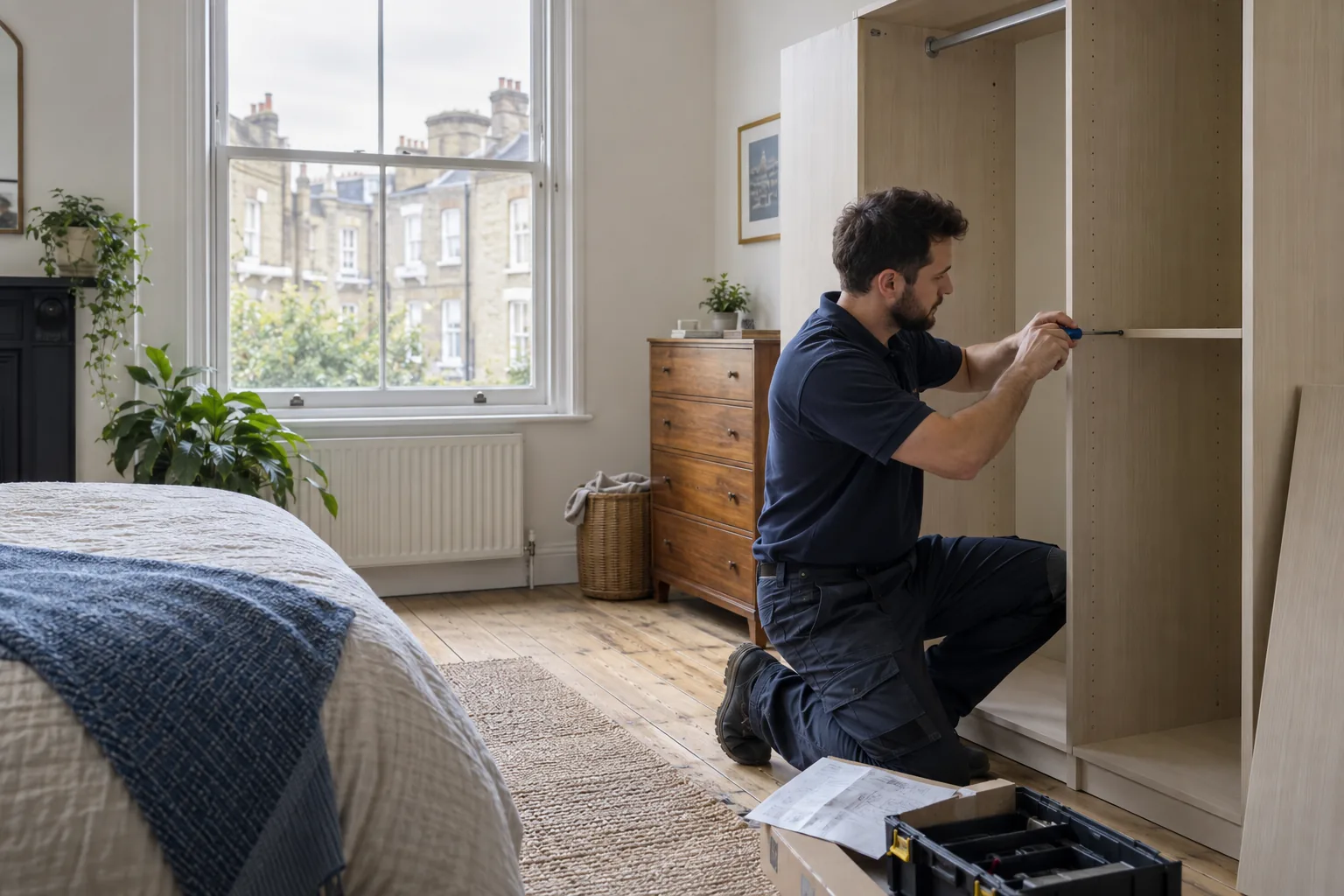
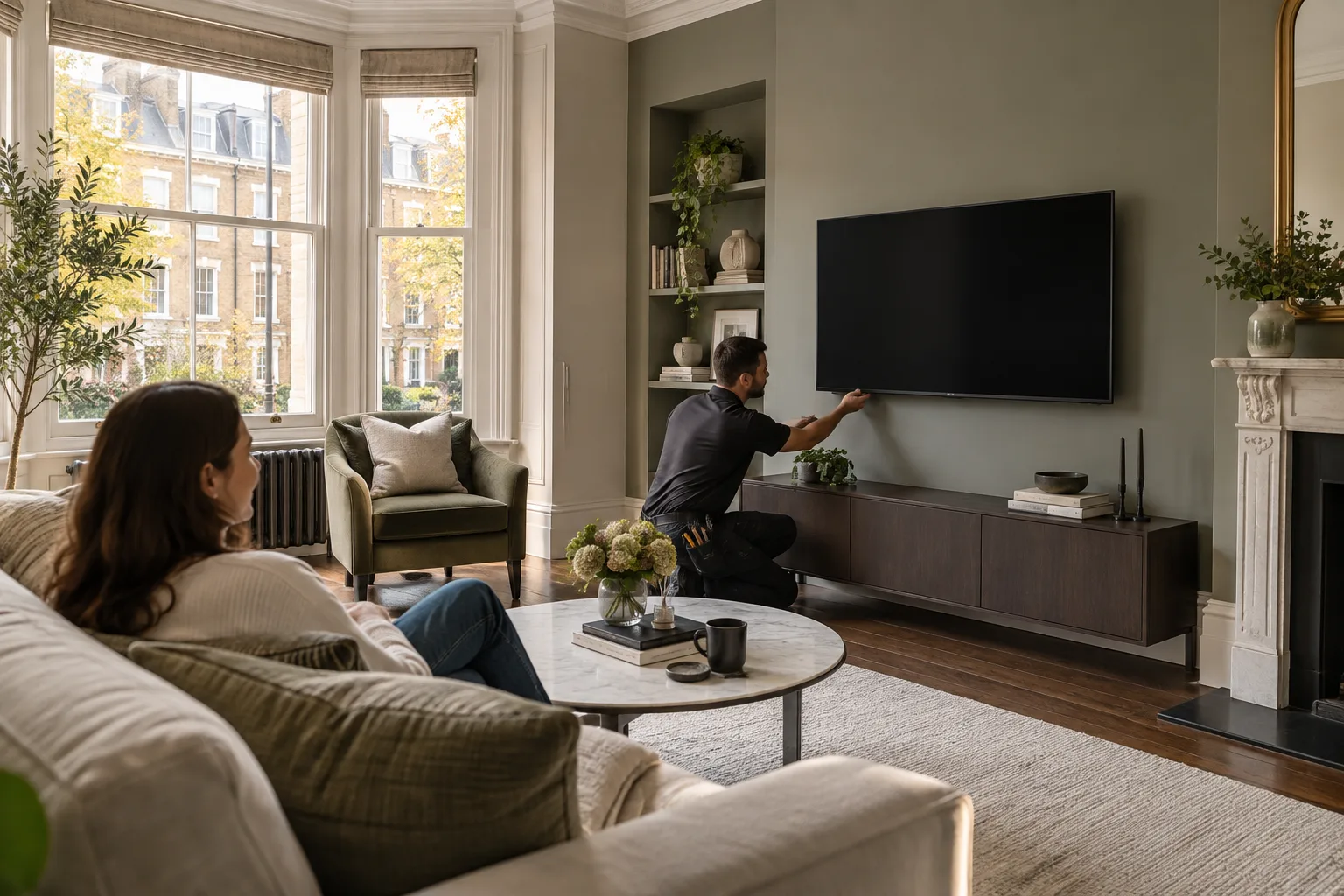
Thamesmead includes houses, purpose-built flats, managed blocks and later residential developments. A task list may combine door adjustments, wall mounting, furniture assembly, resealing and local patching. Several compatible items can often share one visit, but only when the complete list is visible beforehand. Put safety and everyday function ahead of optional cosmetic improvements.
A useful description records behaviour as well as appearance. Say whether a door catches throughout its swing, a cabinet moves only under load or sealant fails after regular water use. Mention previous repairs, recent flooring and any alteration that coincided with the problem. Dates and wider photographs can show relationships between tasks without asking the customer to decide the technical cause before anyone inspects the property.
In occupied homes, decide which room or access route must remain available. A task beside the main entrance, kitchen work area or child’s room may need a different sequence from the same repair in an empty property. Clear the immediate area and explain any time limit for handing it back. This keeps priorities practical and reduces half-finished work spread across several rooms.
Send wide and close photographs, dimensions, product links and the result required. For a wall item, include weight and bracket details. For a recurring fault, explain when it appears and what has already been attempted. This evidence helps identify likely tools and materials while leaving hidden services, substrate condition and the final cause to be checked at the property.
Active leaks, appliance failures, regulated electrical or gas work and structural concerns require the appropriate specialist route. A general handyman list should not blur those boundaries. Suitable making good can follow once the source is resolved, but a visible patch should never be used to hide continuing water, movement or another unresolved defect.