Ealing property notes
Start with evidence from the Ealing property
Ealing contains houses, terraces, conversions, mansion-style flats and newer apartment buildings. Their internal walls and joinery can differ even where the decoration looks alike. Masonry, traditional plaster, plasterboard, timber backing and patched areas each affect a fixing. Item weight, leverage, normal use and present condition matter more than a broad assumption based on the street or building period.
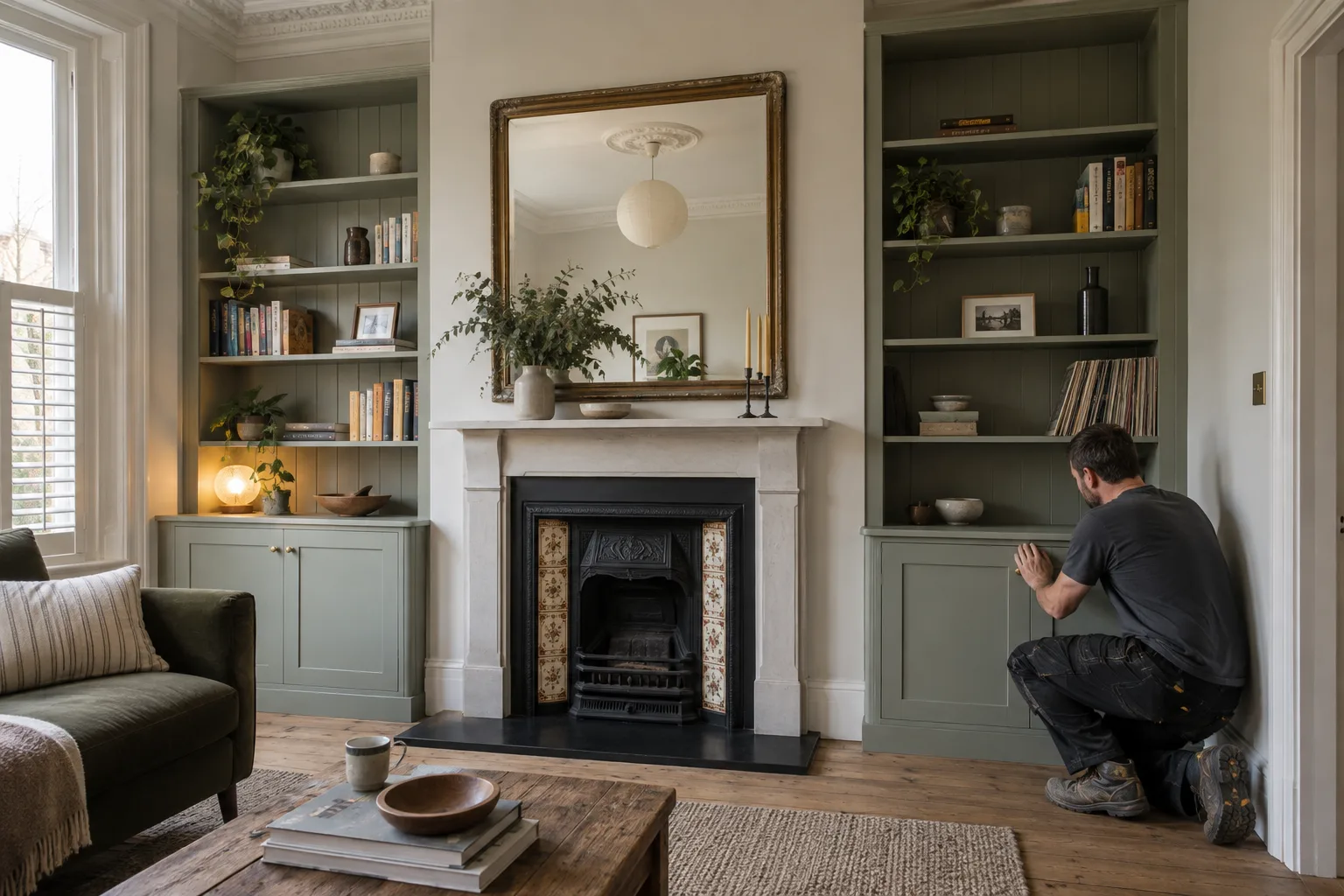
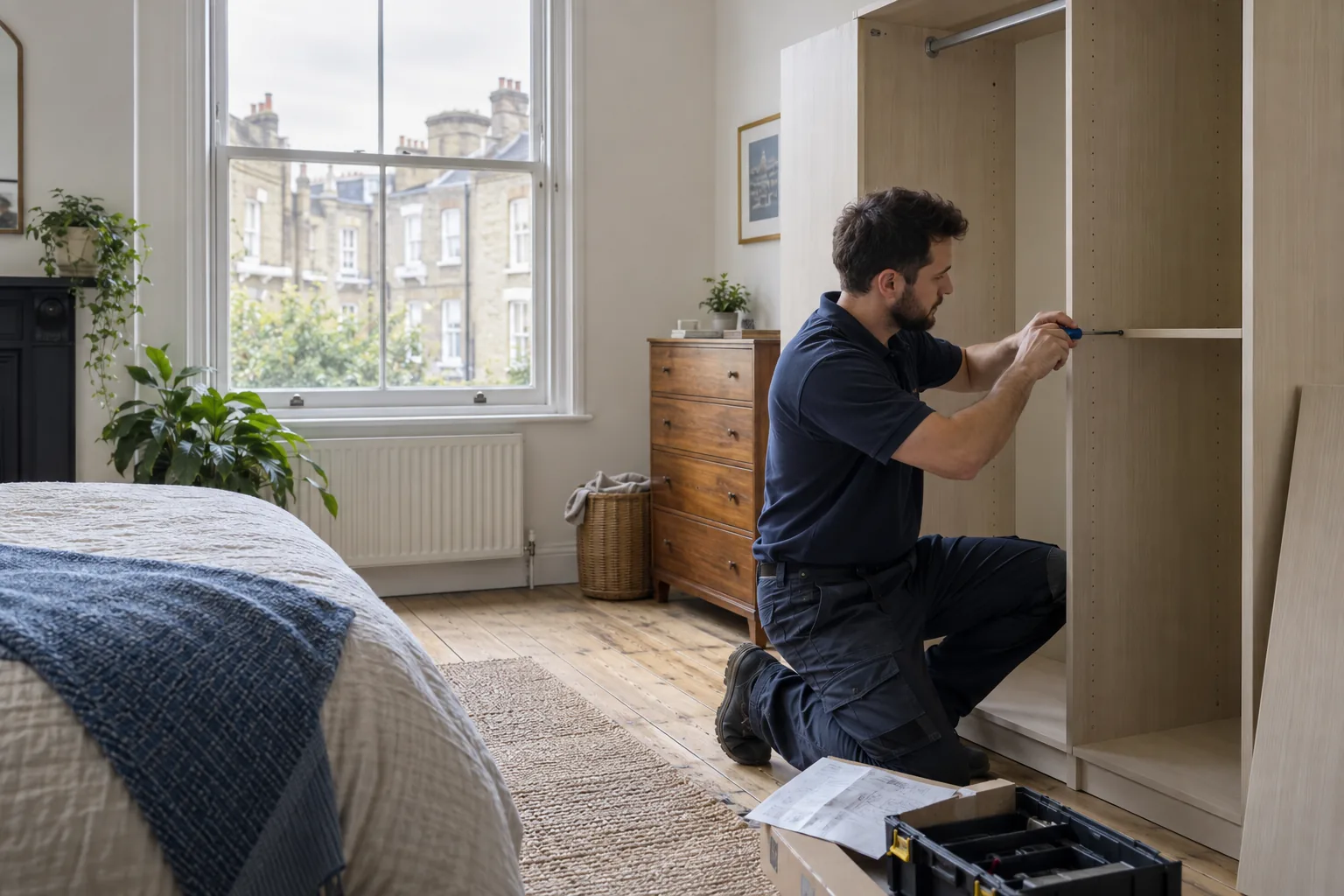
Create a room-by-room list with quantities and clear outcomes. State whether a door catches, swings, will not latch or has a loose handle. For wall fitting, give the complete product dimensions and intended position. Close images should show the defect and surrounding material; wide images should show furniture, flooring, radiators, sockets, glazing and the working clearance available.
Retain useful evidence of a failure. A loose rail may have an unsuitable anchor, damaged plaster or repeated loads; tightening it again may obscure the cause. Explain previous repairs, intermittent behaviour and any change after decorating or flooring work. That history helps decide whether a limited adjustment is reasonable or whether more substantial carpentry, investigation or replacement should be considered.
Access begins before the front door. Describe lawful loading arrangements, steps, side passages, controlled entrances, floor, lift booking and corridor turns. Measure long packages through every change of direction. Handyman Express does not claim an Ealing depot, reserved bay or unrestricted access. Attendance is subject to the confirmed address, appropriate work, permissions and available schedule.